
Two Suitcases & A Backpack: A Brief Memoir
5 Minute Read
Credit: Christopher De La Rosa
“After two years, more than 150 events, and working with 250 businesses in the Northeast US, the desire to challenge the norm only grew. This “traveling restaurant” needed to see the world, and so did I.”
Phone, Sharpie, Expo marker, pen, lighter, grandfather’s money clip with cash, credit card, and ID, keys, hat, shoes. The beginning of each day, in order, as I walk out the door.
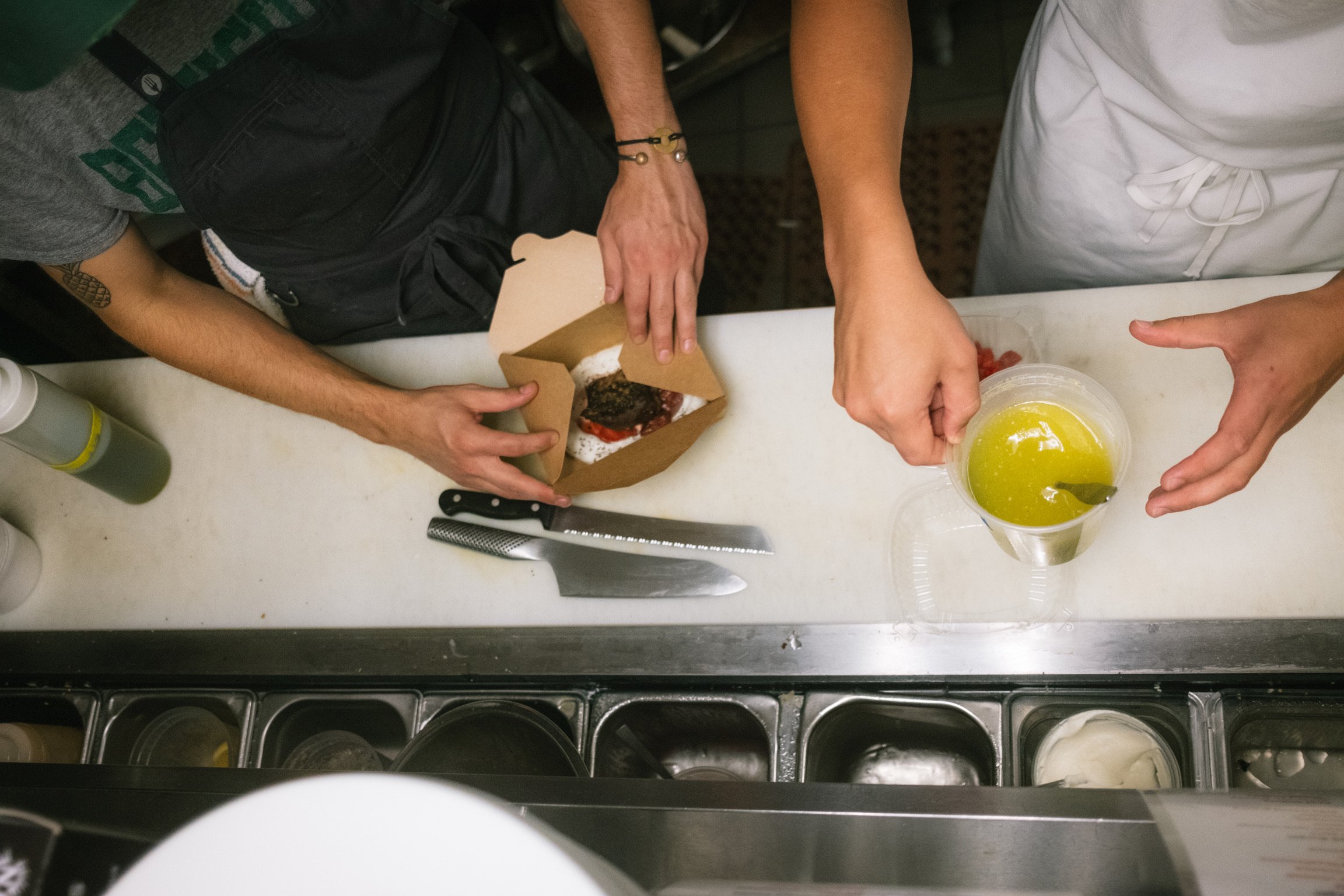
I’ve always been a creature of habit. Routine. Predictability. Seeing the future before it happens. It's something I’ve lived with my entire life. Very early on, I felt plagued by the comfort of order and structure. That was before stepping into the restaurant industry as a wide-eyed teenager. I was immediately enveloped in the balance of chaos and order in the fast-paced, high-energy lifestyle dominated by the misfits, trauma-bearers, and expats of the boring 9-5 lifestyle. I was alongside the creatives, the addicts, the “I’m only here because my uncle is the chef,” and the lifelong linecooks and dishwashers whose symbiotic relationship is nothing short of beautiful. I was in a place of commerce: yes, guests paying for food, but also bartenders exchanging post-shift cocktails for food from cooks and servers negotiating daily cleaning duties for the first cut of the night. There was an entire world, ecosystem, and community that existed right in front of me, and all for the sake of food. I fucking loved it.
Credit: Christopher De La Rosa
Over the next decade, the love only grew more fond of frantic searches in the walk-in, family meals, double and triple shifts, burns, cuts, scrapes, aching back and feet, and working damn near every holiday and weekend. The love grew so profoundly that the role of employee just wasn’t enough for me. I wanted my own place to call home.
It doesn’t take a Wall Street banker to understand the financial constraints associated with opening a restaurant. But fresh out of college with less than a dime to my name and tens of thousands in student loans to pay, I had to see for myself. The pursuit of the traditional brick-and-mortar restaurant was fairly short-lived. Going back to the drawing board became a familiar trip as I searched for ways to cook the food I wanted, in my own way. The idea for After Hours came in this era of recognizing the insurmountable costs to open and maintain a brick-and-mortar location.
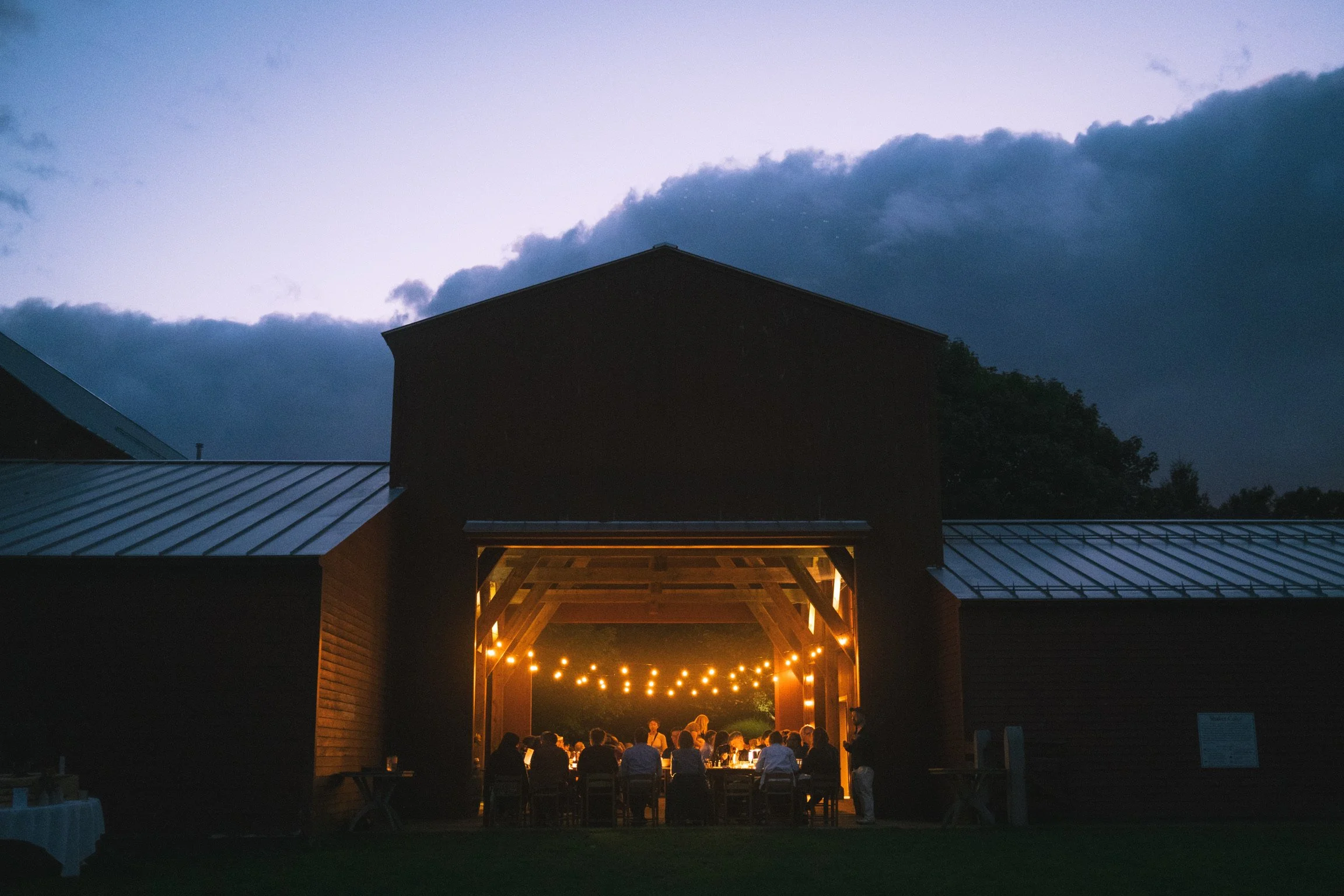
Through the headbanging and number crunching, a question plagued me: what makes a restaurant, a restaurant? Is it the cuisine served, the way guests place their order, the corner of the sidewalk it sits on, or the “celebrity” chef they decide to name it after? Is it the tables and chairs, matching plateware, or decoratively folded napkins that circulate through the dining room? It’s been hundreds of years since restaurants became popularized, serving up restorative broths in the shops of Paris. In that time, not much has changed; guests order from a menu of curated options and, in exchange for their time and money, receive a meal, typically doted by the owner as the best option locally available. Though young in this centuries-old industry, I don’t recall there being a rulebook telling us what a restaurant is supposed to be. Why can’t a restaurant travel? Why can’t a restaurant be more than a place to serve food, but an entity that creates belonging, invites curiosity, and inspires local connection through food, culture, and collaboration? And thus, After Hours was born.
After two years, more than 150 events, and working with 250 businesses in the Northeast US, the desire to challenge the norm only grew. This “traveling restaurant” needed to see the world, and so did I.
Credit: Christopher De La Rosa
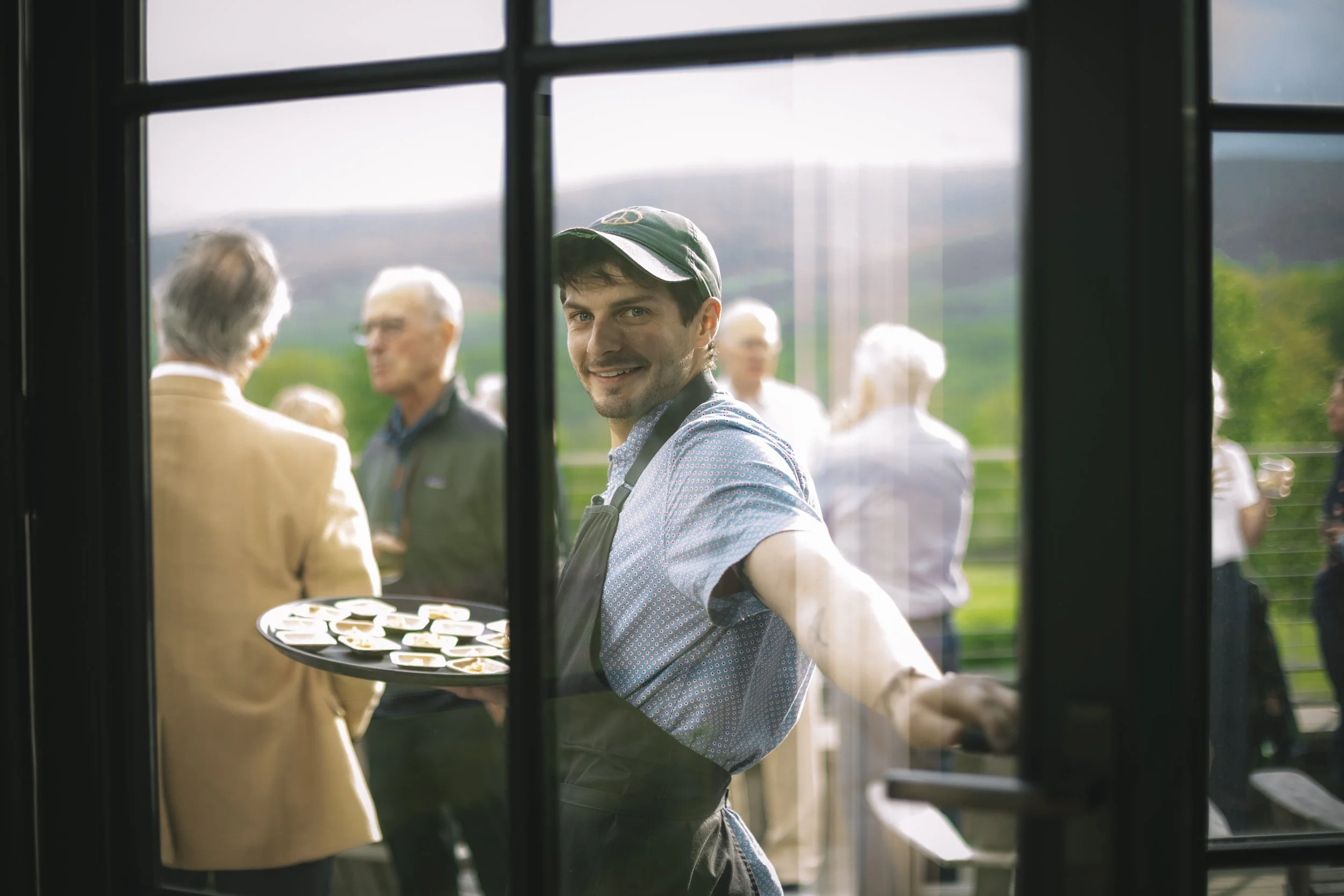
2025 changed me in ways I’ll forever remember. There wasn’t a moment I felt like I had my life put together, but maybe that’s just part of life in your mid-twenties. The order and predictability I had always longed for were nowhere to be seen, but in all perspectives, business was exploding. I was slumped in a deep depression for a good chunk of the Spring and Summer, which, if you are at all knowledgeable about local fluctuations in business and economics in the Berkshires, is the busiest time of year. A time when thousands of tourists, second-home owners, and anyone who owns a Canada Goose or Gucci slippers, flock to the mountains - a particularly great time for a local to feel overworked, overlooked, and in need of a particularly stiff drink. We were averaging between three and five events per week, as I was merely trying to keep my head above water. The contrast of professional success and personal failure continued to weigh on me for several months until we made it to the other side of Labor Day, the locals' understanding of the official end to the busy Summer season. Once I was finally able to pick my head up, take a breath, and sleep for a week, I knew I needed a change. Not just from the work, but from the same produce, same people, same ways of business and life I had known for practically my entire life in Massachusetts. The business needed a breath of fresh air, and I needed to continue to learn from cultures and cuisines that we’re inaccessible in the small rural towns of The Berkshires. Both the business and I needed to travel.
Fast forward to December 2025, and the life built around everything I had known and learned from my childhood would end up in boxes bound for the basements, attics, and garages of family members and a small five-by-five-foot storage unit. The kitchen that supported the business built from nothing but a no-interest credit card, a dream, and a will to make shit happen, would disperse to countless local restaurateurs as I sold near everything I could. In one month's time, my life and business would be reduced down to only the necessary clothes and kitchen tools needed to turn the small town restaurant project into the start of the next chapter of my life, and hopefully the next chapter of what a restaurant can be.
Credit: Ally Voner - Good Bites & Glass Pints
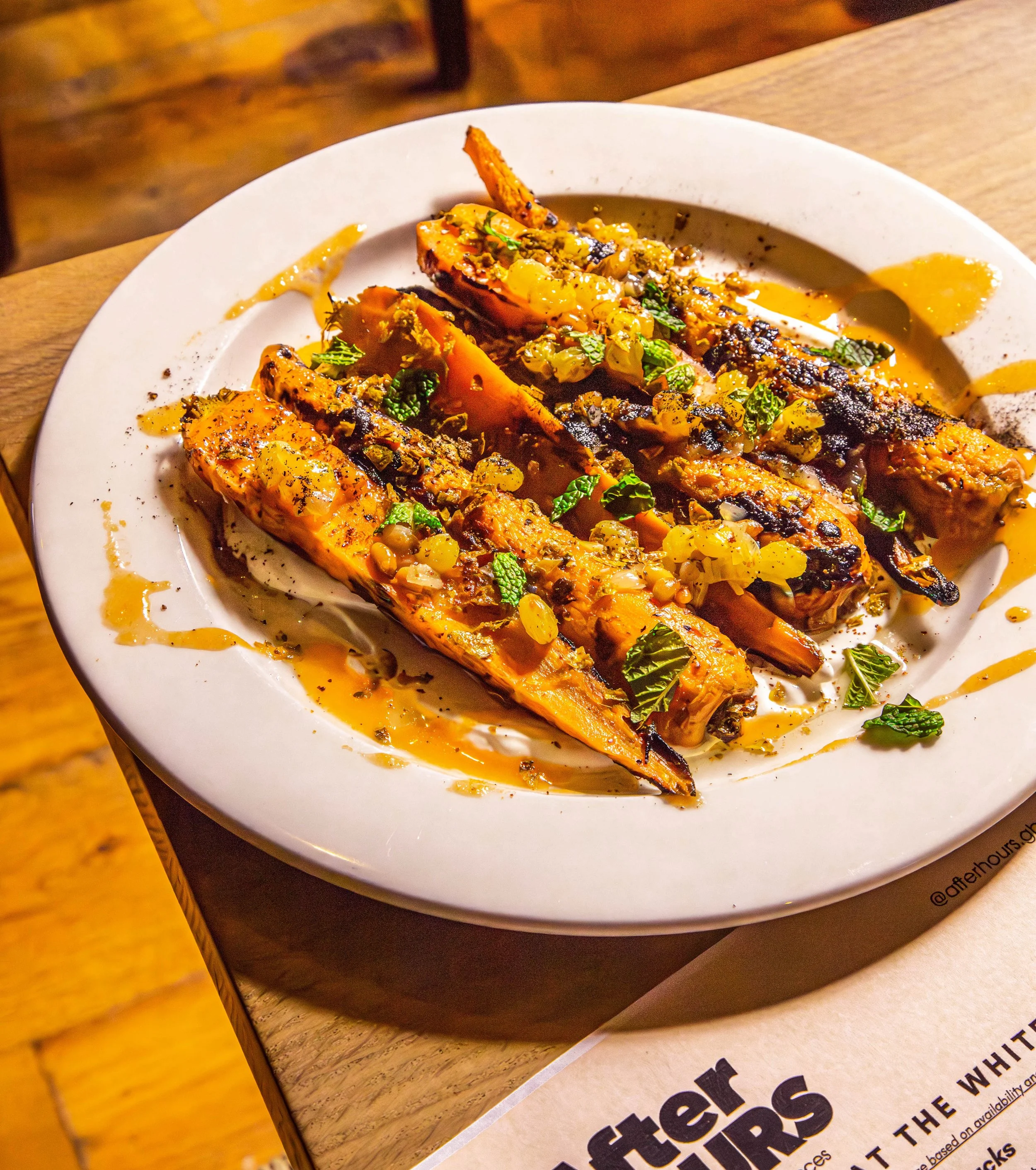
Today, the dream continues. Not only the pursuit, but the ongoing development of what “the dream” is. Though the sum of my belongings, tools, and equipment once provided a feeling of value and success, it’s become obvious that my path forward doesn’t need to be forged by the physical materials we often hold so dear, but rather the positive impact we can create with what we have on hand. And though the only things I have to make waves on this international venture can be packed into the shell of two run-of-the-mill suitcases and an aging Jansport backpack that’s held on five years too long, you can rest assured that the world does want to be a better place, and I’m going to do everything I can to help us get there. One plate, one meal, and one day at a time.
*To stay up to date with everything happening at After Hours, subscribe to our newsletter, follow us on Instagram, and like our page on Facebook!
