
Cultivating Self-Reliance: Puerto Rico’s Agricultural Revival (English)
8 Minute Read
“If I’m going to use rum in my beverages, why wouldn’t I use a Puerto Rican one?”
- Raizel Rosado, a student at the University of Puerto Rico’s School of Hotel and Restaurant Management
Imagine living on an island with some of the most fertile land in the Caribbean, yet importing more than 85% of the food on your plate. In Puerto Rico, this contradiction defines daily life. Fertile mountains and tropical coastlines once sustained an agricultural economy that fed both locals and global markets. Yet decades of economic restructuring under US governance have transformed one of the region’s richest farming landscapes into a place struggling to feed itself. For many on the island, this is not simply an economic issue — it is a symbol of how territorial dependency has reshaped Puerto Rico’s self-sufficiency.
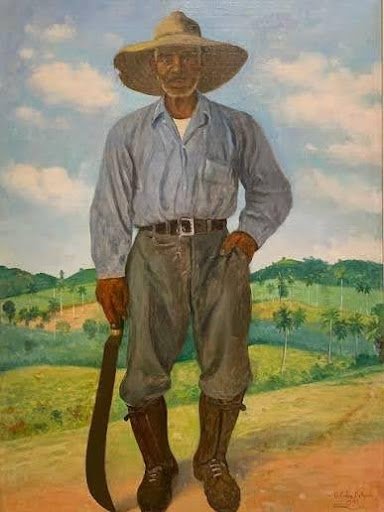
El Jibaro Negro, 1941 Oil Canvas, Oscar Colon Delgado
In the early 20th century, Puerto Rico’s economy largely consisted of the production of crops, such as sugar, tobacco, and coffee. At this time, nearly half of the island’s population was employed in the agricultural sector, which shipped products worldwide. Many identified as Jibaros, or small farmers from the mountainous, rural regions of the island.
However, a shift would come. As a territory of the United States since 1898, Puerto Rico has had many government programs enacted by the US Congress, with little to no say in the matter. One program, Operation Bootstrap, was launched in the 1940s to industrialize the island’s economy and shift the labor force from agriculture to manufacturing. Jibaros, once a symbol of Puerto Rican pride and self-sufficiency, became vilified to represent uneducated, manual laborers.
Operation Bootstrap presented tax exemptions and low labor costs to businesses from the US that relocated to the island, placing the ownership of many of these new manufacturing companies in foreign hands. Today, agriculture makes up less than 1% of the island’s GDP and employs less than 2% of workers.
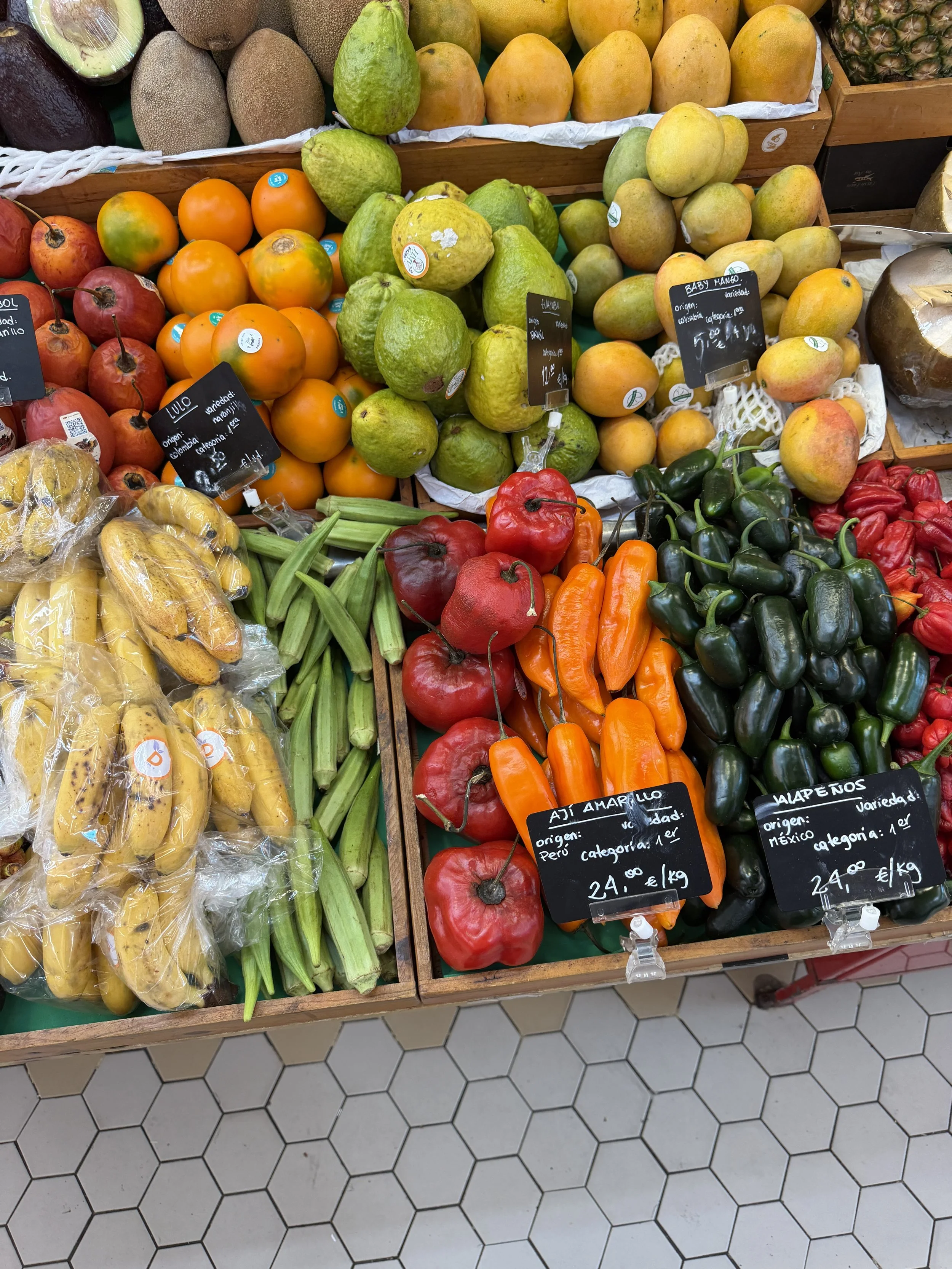
Many who have never been to Puerto Rico may wonder why this heavy reliance on imports poses such a problem for locals. However, due to inequitable policies imposed by the US government, Puerto Ricans pay import prices nearly double those of neighboring islands, heavily affecting food prices.
Under The Jones Act, a shipping law enacted in 1920, goods shipped to Puerto Rico from other US ports must be transported to the island in US-owned vessels. This significantly raises shipping costs, as many foreign products must be unloaded in the mainland US and then transferred to US ships before finally reaching the island.
Not only does this raise final costs for consumers, it also reduces the availability of fresh produce without harmful preservatives, as the journey from the farm to people’s plates is lengthened by these extra stops. Couple these extra costs with unreliable water and power delivery throughout the island, and already razor-thin margins in a highly seasonal area, and you’re left with a food and beverage industry with near impossible standards for many small operators.
Credit: After Hours Global
From 2008-2022, roughly 426,000 people left the island for the mainland US in search of better economic opportunities. In fact, more Puerto Ricans now live in the global diaspora (5.5-6 million) than on the island itself (3.5 million). However, recent cultural shifts and a desire to preserve Puerto Rican identity have led many to make the choice to stay in their home and rebuild failing systems from the ground up.
Many individuals and organizations have been calling for people to return to working the land. Salvador Coleman Tio, a local farmer and owner of Finca Caribe, works to promote a system of small, self-sufficient, polycultural fincas, or farms that grow a variety of crops and sell them locally, rather than the current system of large corporate operations that focus on producing one crop as cheaply as possible. He says systems of small, interconnected farms are much healthier for the island and its people, as large producers tend to use chemical preservatives that contaminate the land.
“There’s much more value in many small people than in one big giant”, said Coleman Tio. As a small farmer himself, he directly sells his products to various chefs around the island, lowering costs for local restaurants and providing fresher food for clients.
“The problem isn’t interest from the people, it’s no interest from the government to support it”, he said of a shift to a small, locally operated agricultural system. Many of the infrastructure projects needed on the island to transform its food systems have been blocked by Puerto Rico’s local government.
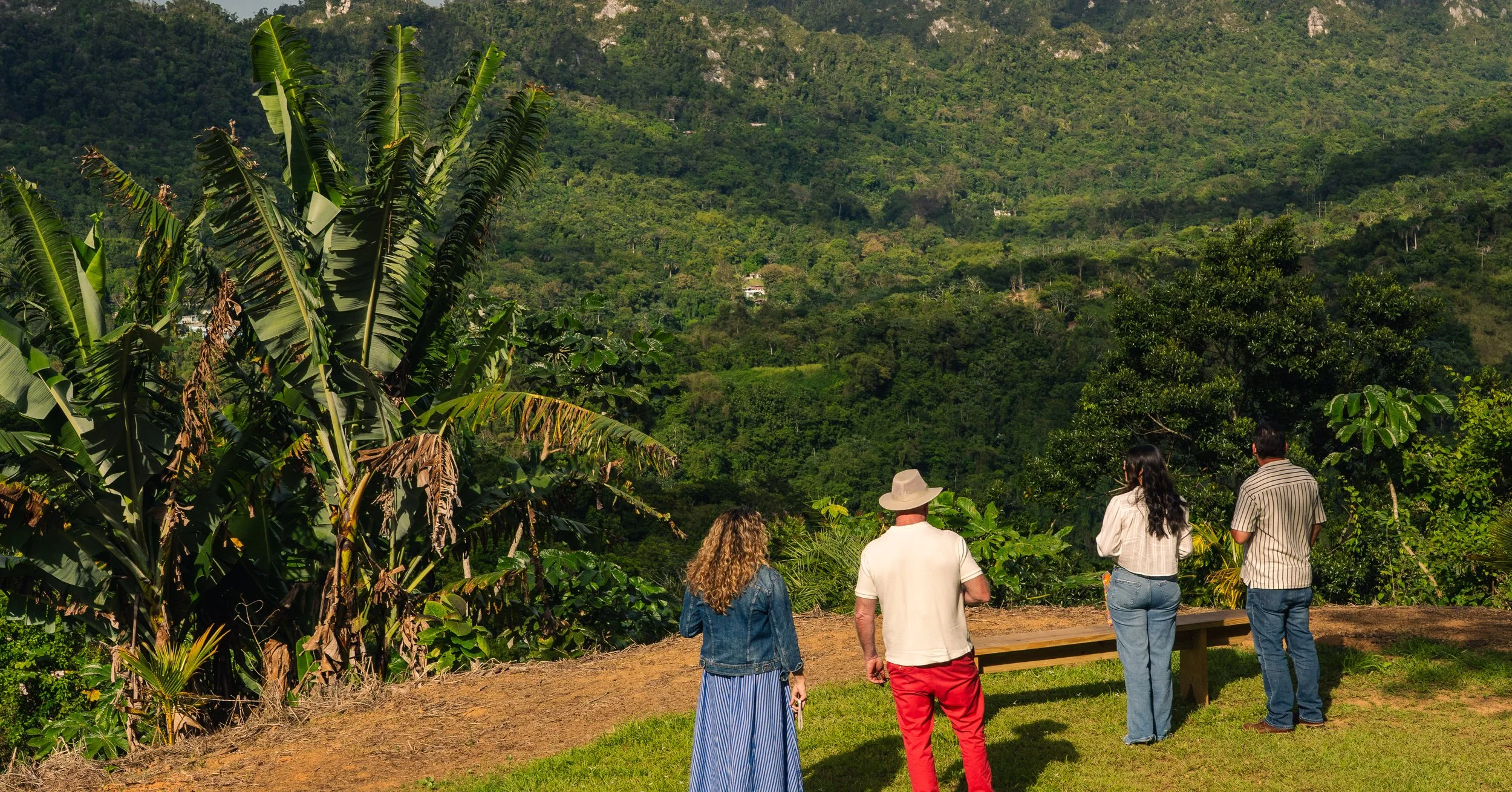
On the other end of the chain, many chefs and restaurateurs have actively committed to using locally grown products and showcasing traditional Caribbean cuisine. Josiah Hernandez, the owner and head chef of Chef’s Garden in Rincon, Puerto Rico, does just that by creating tasting menus using traditional Caribbean ingredients.
“I always say as chefs, we don't make food just to make it, we tell a story. So you better tell a story worth telling”, said Hernandez. He uses his tasting menus to tell the story of Puerto Rico’s 8 different types of ecosystems, raising awareness and appreciation for conservation efforts. His most recent menu featured a rather surprising ingredient: seaweed.
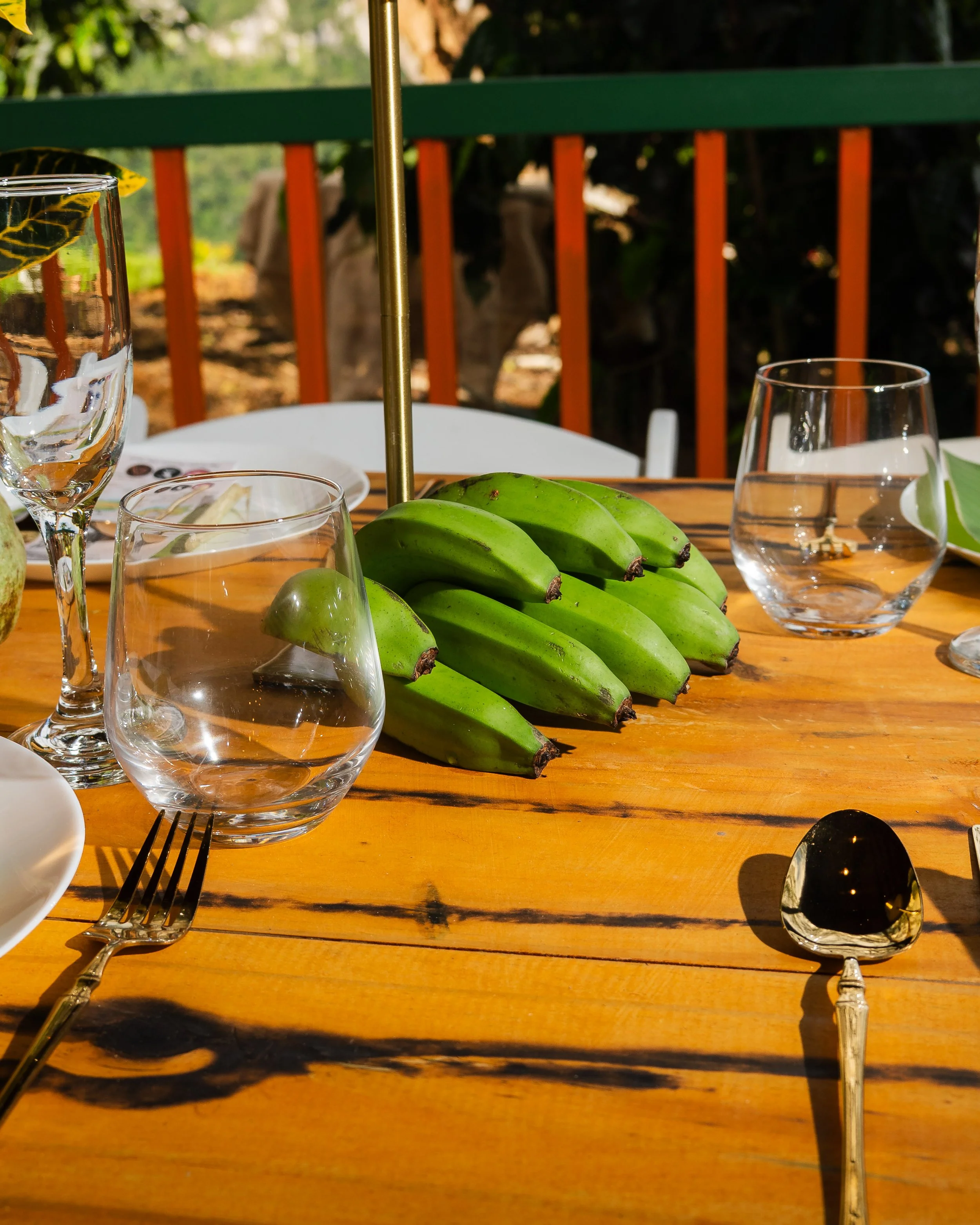
As an island nation, Puerto Rico has an abundance of seaweed that can actually be used in a variety of ways for different dishes. Hernandez teaches other chefs how to use natural resources in their restaurants, ultimately creating an appreciation for locally sourced ingredients.
“The old school way of thinking was that it’s cool to import foreign products and use them in your dishes. Now the culture is moving to buying local”, he said. While using local products is still more expensive than relying on the established system of importation, he has seen a growing customer base for farm-to-table produce, and hopes the necessary systems can be put in place soon to reduce costs.
This new ethos of buying local has been echoed by the younger generation on the island as well. Raizel Rosado, a student at the University of Puerto Rico’s School of Hotel and Restaurant Management, has noticed a recent shift in her curriculum. The program now focuses on using locally sourced products from the island. The curriculum’s shift has had a profound impact on students in the hospitality industry as well.
“I remember at the beginning of the program, a lot of my classmates couldn’t wait to graduate and move to New York City to start their restaurants. Now they tell me how they want to stay in Puerto Rico,” Rosado said. She has always dreamed of opening her own mixology bar on the island and aims to use as many local ingredients as possible.
“If I’m going to use rum in my beverages, why wouldn’t I use a Puerto Rican one?” she said when describing her future business plans. For many young people in Puerto Rico wanting to remain on the island and reverse the trend of immigrating to the United States in search of work, this type of self-reliance is absolutely critical. Especially as the United States has failed to provide proper resources and support to the island in recent events.
“After Hurricane Maria, we really felt like no help was coming from the outside. So people said, ‘I’m going to do it by myself and with my neighbor until everything comes back online.’ But that attitude stuck ever since,” she said. Following the aftermath of Hurricane Maria in 2017, one of the deadliest hurricanes in Puerto Rican history, the US provided only a fraction of FEMA (Federal Emergency Management Agency) aid compared to US states facing similar natural disasters.
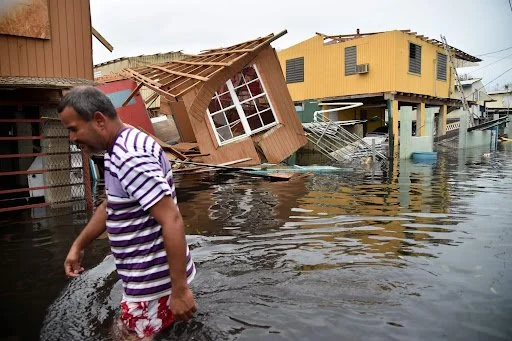
Credit: NBC News
In the first nine days following the disaster, Puerto Rico received roughly $6 million in FEMA assistance, compared to nearly $100 million in the same 2017 season for Hurricane Harvey in Texas and Hurricane Irma in Florida, respectively. By 2021, four years after the disaster, it was estimated that only 29% of allocated federal aid had actually been dispersed to the island.
Failures in US governance like these have led many to call for self-reliance in all industries on the island. There has been a resurgence in people strongly identifying with the Jibaro figure, with Puerto Rican artist Bad Bunny himself representing the Jibaro culture, wearing a Pava, the straw hat associated with Jibaro identity, on his global tour.
“I’ve always considered myself a Jibara, and I’m proud to have grown up in that culture. My family are all Jibaros, and they’re some of the hardest working people I know,” Rosado said. It’s no wonder that, while many strive to find more independence under territorial status, this cultural figure of self-reliance has resurged.
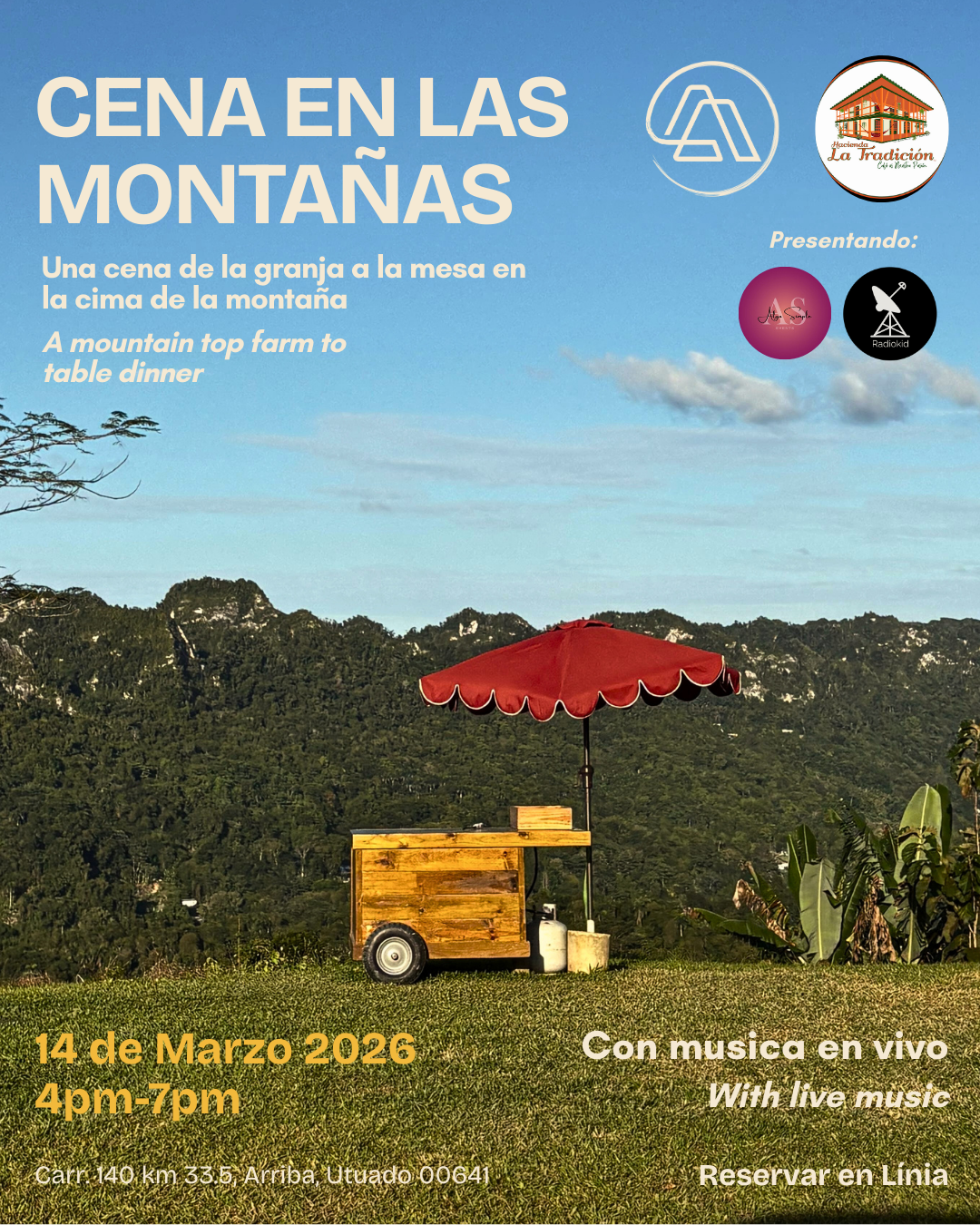
In an effort to connect these various stakeholders and promote a circular economy, After Hours Global hosted 3 dining events in Puerto Rico that focused on showcasing local producers, operators, and the importance of using products from the island.
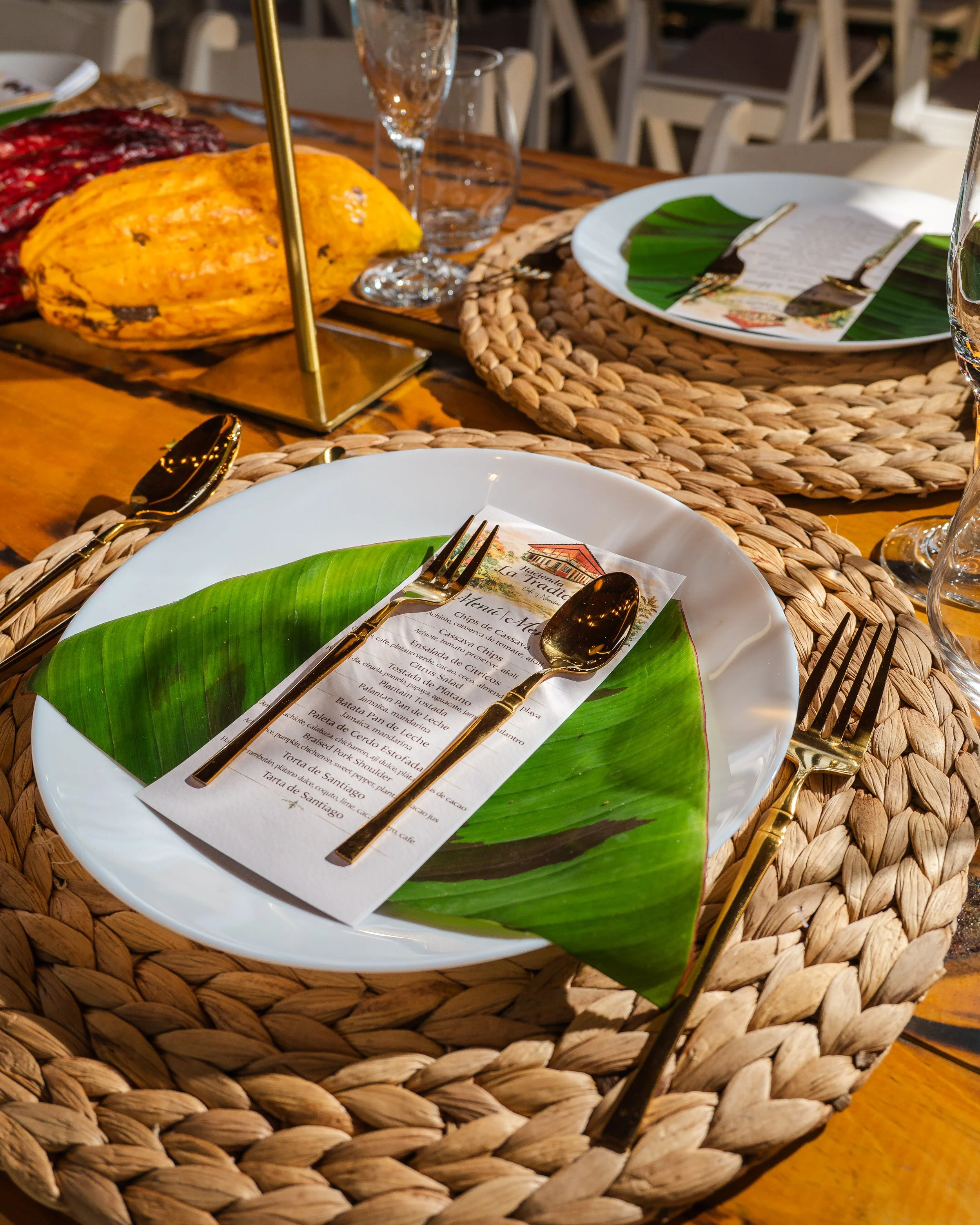
The first event was a dinner hosting around 40 guests at Hacienda la Tradicion, an independent coffee and cacao farm perched in the mountains of Utuado. Their menu focused strongly on sustainable agriculture, all with ingredients sourced directly from the farm itself.
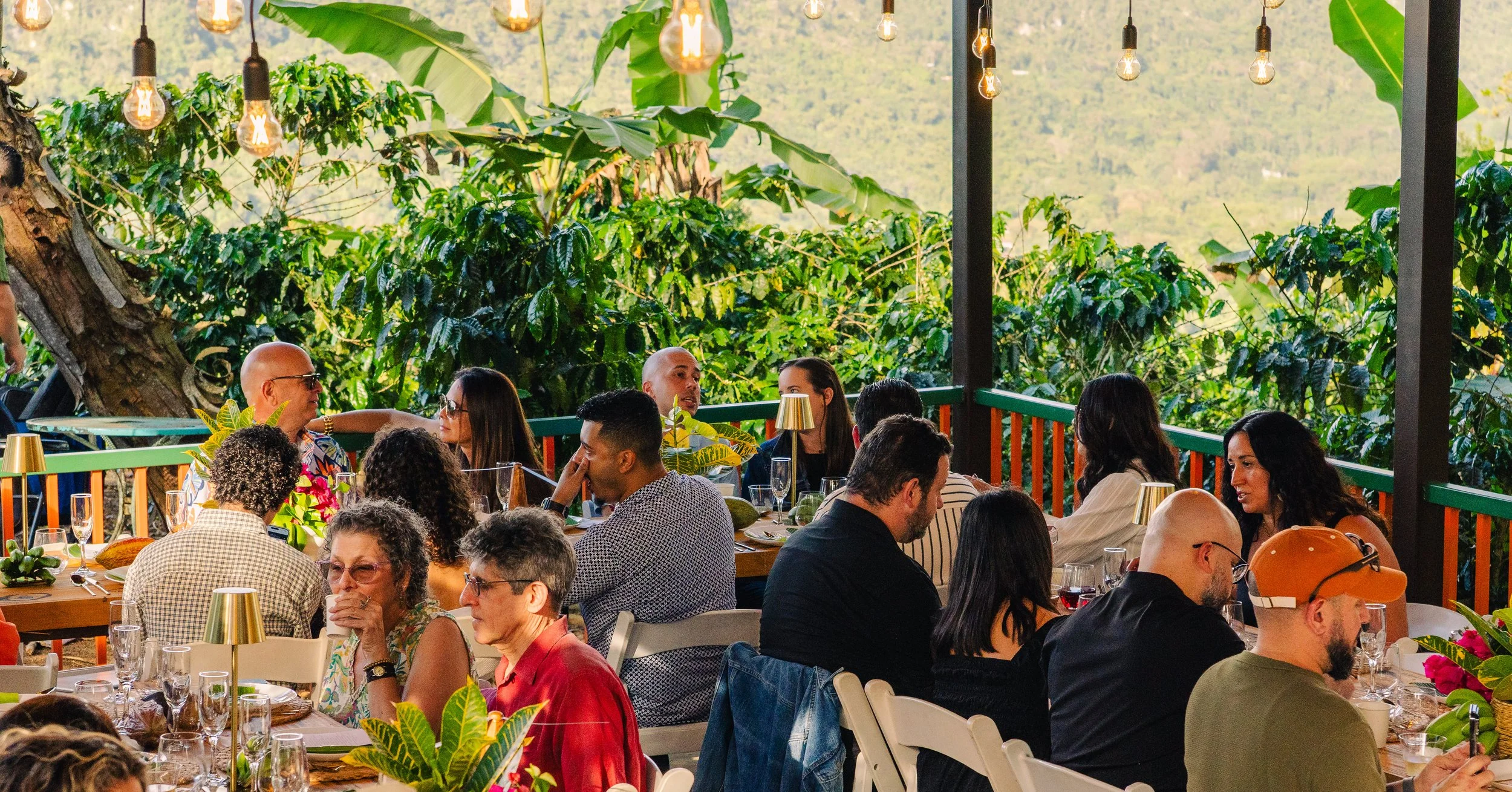
“The goal of the event was really to show people exactly where their food is coming from”, said Kevin Kelly, founder and Chef/Owner of After Hours Global.
The second event, a 5 course tasting menu hosted at El Más Allá, a speakeasy tucked away in the heart of Old San Juan, included the same locally sourced ingredients and focused on educating diners on the reality of their local food systems.
“I really wanted people to come to this event, and any event we host, and to be able to shake hands with their farmer”, Kelly said. He believes that one of the largest gaps existing in the movement towards farm-to-table agriculture is consumer education. A shift towards locally-sourced food products and away from the current system of heavy importation will likely require people to pay more now, but will ultimately boost local economies in the long run.
The final event was a two-week-long residency at SALO Station Kitchen, originally a disaster relief kitchen built in San Juan following Hurricane Maria. Kelly described the residency as a final love letter to Puerto Rico and a capstone experience for After Hours Global to weave together all the different people and movements the organization worked with on the island. During their Puerto Rican residency, their focus on local product sourcing led to collaborations and direct sourcing from several small farms, producers, and non-profits including: APUGA, La Ceba, Crudo Seafood, Finca Caribe, El Josco Bravo, RadioKid Photography, Reyi Torres, Algo Simple, and Discover Puerto Rico.
Although the Puerto Rican food and beverage industry still faces significant operational challenges, including unreliable power and water supplies, a lack of supply chain infrastructure, and some of the world’s highest importation prices, Kelly is very hopeful for the future of Puerto Rico’s food systems.
“What you put in, in terms of work and passion, will one day be reciprocated”, he said.
*To stay up to date with everything happening at After Hours, subscribe to our newsletter, follow us on Instagram, and like our page on Facebook!